Nobody Grew Up Listening to Bad Bunny — But He Got Us All Listening to Him
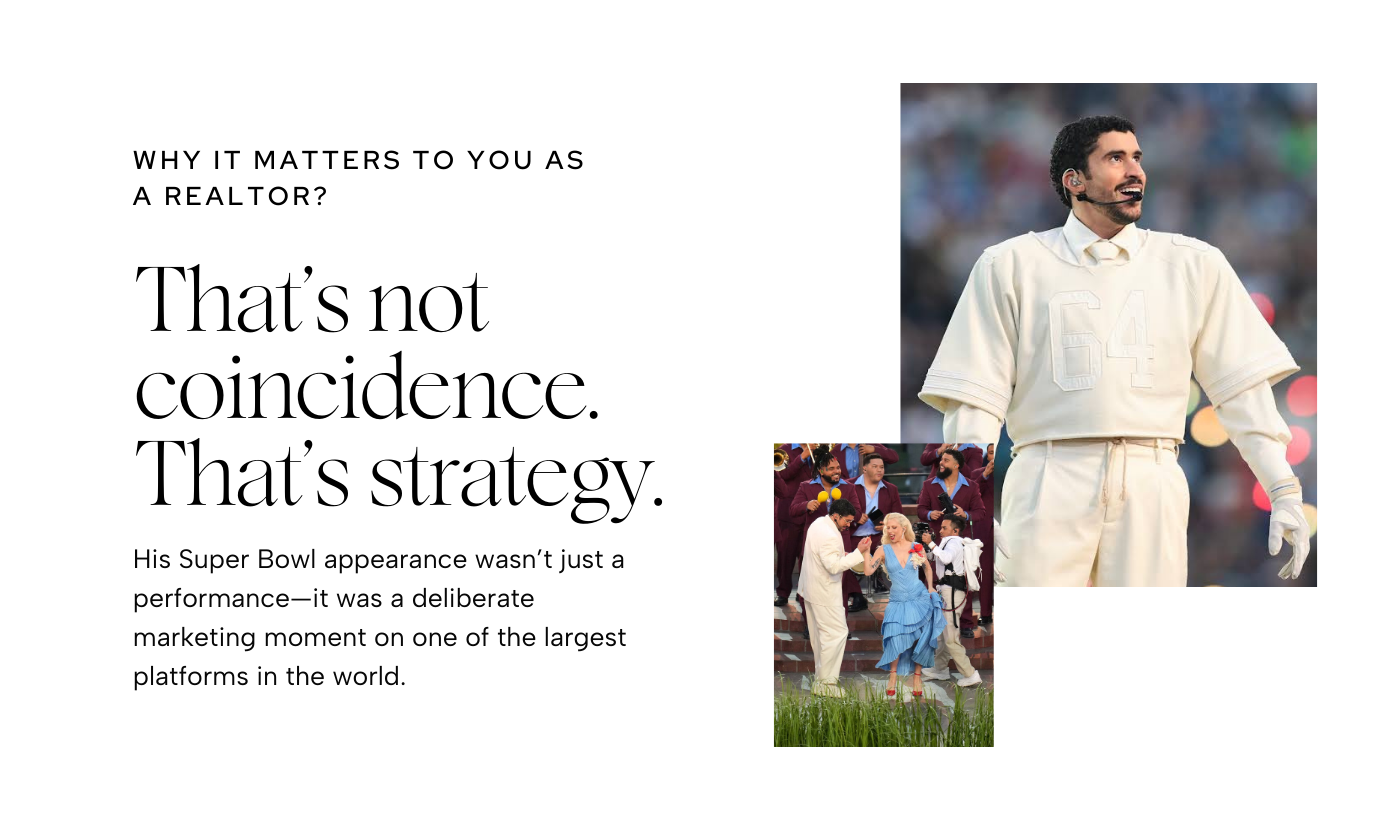
No one grew up listening to Bad Bunny.
And yet, he managed to connect across generations, cultures, and age groups—many of whom don’t share his background, language, or lived experience.
That’s not coincidence.
That’s strategy.
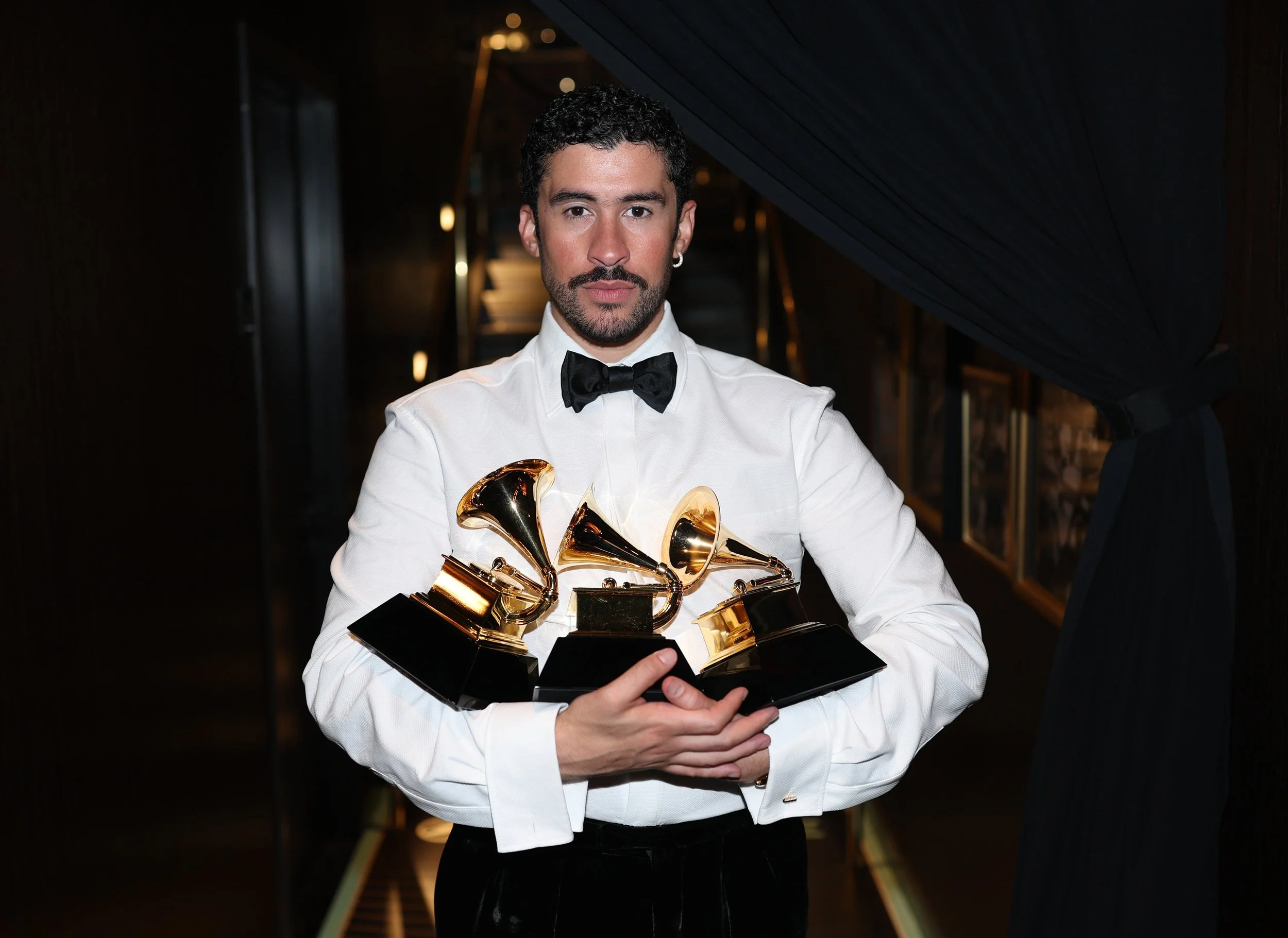
Bad Bunny Grammys, Image from Getty
Authenticity Over Familiarity
Bad Bunny didn’t succeed by trying to sound familiar or trend-friendly. He built his brand around who he actually is—his beliefs, his culture, and his values—and stayed consistent as his platform grew.
That consistency created trust.
And trust is what scales.
People don’t need to see themselves reflected perfectly to connect. They need to feel truth. Authenticity does the translation.
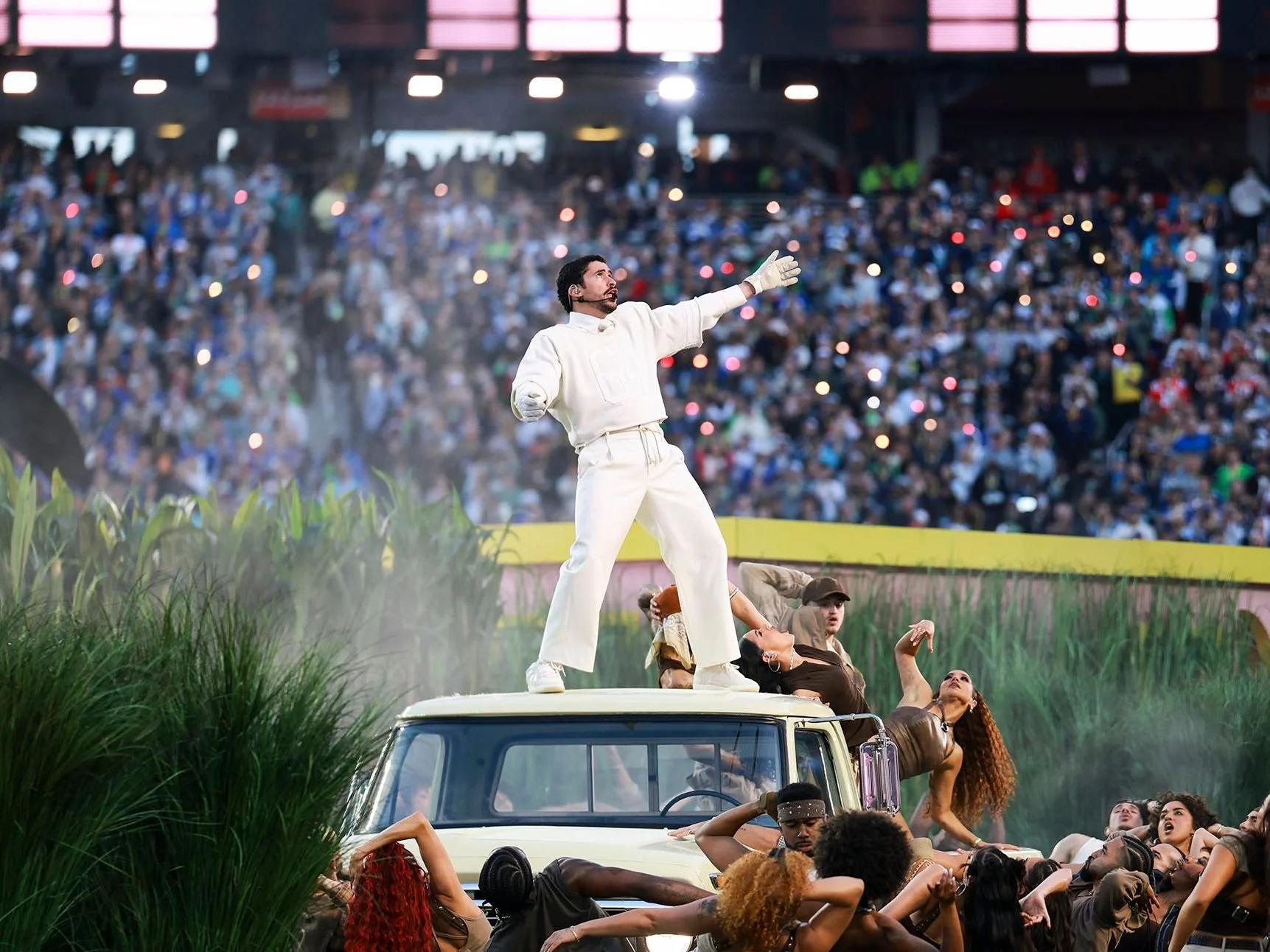
Bad Bunny at the Super Bowl, Getty Images
Nostalgia as Emotional Infrastructure
One of the most powerful elements of his recent work is nostalgia—not nostalgia tied to him, but nostalgia tied to shared memory. Classic sounds and songs, familiar rhythms, and cultural references created emotional grounding for millions of people who never grew up with his music.
Nostalgia works because it lowers resistance. It signals safety. It reminds people of belonging.
That’s not sentimentality.
That’s psychology.

The Super Bowl Moment: Strategic Emotion
His Super Bowl appearance wasn’t just a performance—it was a deliberate marketing moment on one of the largest platforms in the world.
Small, precise details did the work:
A child sleeping on a bench at a wedding—triggering a deeply familiar feeling for many Latin families: the experience of being raised in community, where celebrations run long and life unfolds in shared spaces.
Generational symbolism that connected past, present, and future.
Explicit inclusion—naming countries across the Americas and expanding the definition of “who this is for.”
Nothing was loud. Nothing was forced.
It was emotionally intelligent, culturally specific, and widely resonant.

This is where the lesson becomes practical.
Most real estate marketing relies on:
Generic listing language
Trend-driven visuals
Volume over clarity
But buyers don’t make decisions based on volume.
They decide based on how something makes them feel.
Authentic real estate marketing doesn’t try to appeal to everyone. It focuses on:
Honest storytelling
Calm, intentional presentation
Emotional clarity over urgency
Just like Bad Bunny didn’t chase trends, market-leading Realtors don’t chase algorithms. They build brand equitythrough consistency, trust, and emotional relevance.
The Real Takeaway
You don’t win by being familiar.
You win by being true.
Authenticity builds trust.
Nostalgia builds connection.
And emotional clarity turns attention into action.
In music.
In branding.
And especially in real estate marketing.